
This wasn't my first run-in with failure. ͏ ͏ ͏ ͏ ͏ ͏ ͏ ͏ ͏ ͏ ͏ ͏ ͏ ͏ ͏ ͏ ͏ ͏ ͏ ͏ ͏ ͏ ͏ ͏ ͏ ͏ ͏ ͏ ͏ ͏ ͏ ͏ ͏ ͏ ͏ ͏ ͏ ͏ ͏ ͏ ͏ ͏ ͏ ͏ ͏ ͏ ͏ ͏ ͏ ͏ ͏ ͏ ͏ ͏ ͏ ͏ ͏ ͏ ͏ ͏ ͏ ͏ ͏ ͏ ͏ ͏ ͏ ͏ ͏ ͏ ͏ ͏ ͏ ͏ ͏ ͏ ͏ ͏ ͏ ͏ ͏ ͏ ͏ ͏ ͏ ͏ ͏ ͏ ͏ ͏ ͏ ͏ ͏ ͏ ͏ ͏ ͏ ͏ ͏ ͏ ͏ ͏ ͏ ͏ ͏ ͏ ͏ ͏ ͏ ͏ ͏ ͏ ͏ ͏ ͏ ͏ ͏ ͏ ͏ ͏ ͏ ͏ ͏ ͏ ͏ ͏ ͏ ͏ ͏ ͏ ͏ ͏ ͏ ͏ ͏ ͏ ͏ ͏ ͏ ͏ ͏ ͏ ͏ ͏ ͏ ͏ ͏ ͏ ͏ ͏
There's a peculiar relief in not getting what you want.
Today’s essay uses my own failures to examine the upsides of being disappointed.
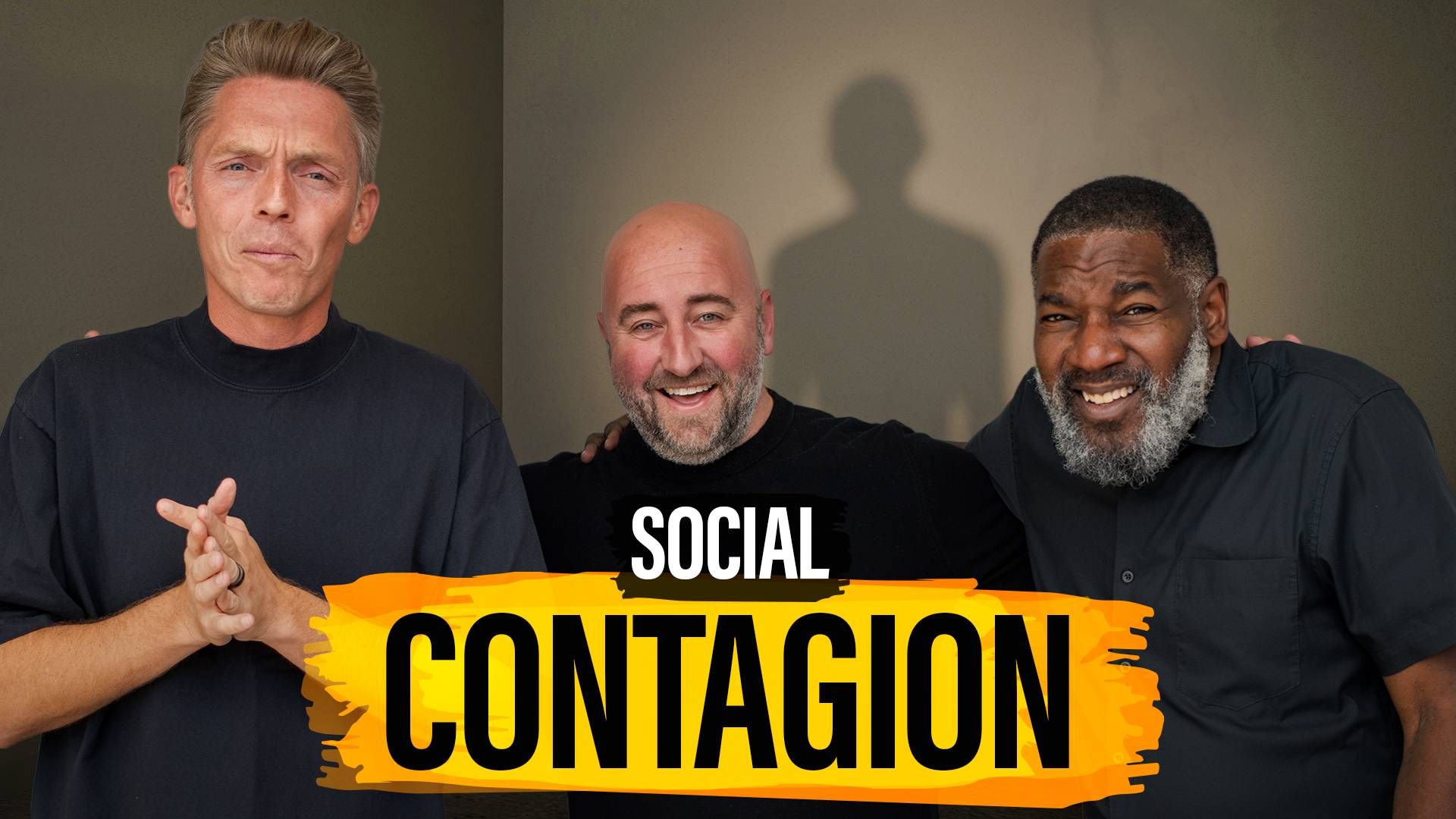
Then: a podcast episode about social contagion.
Joshua Fields Millburn
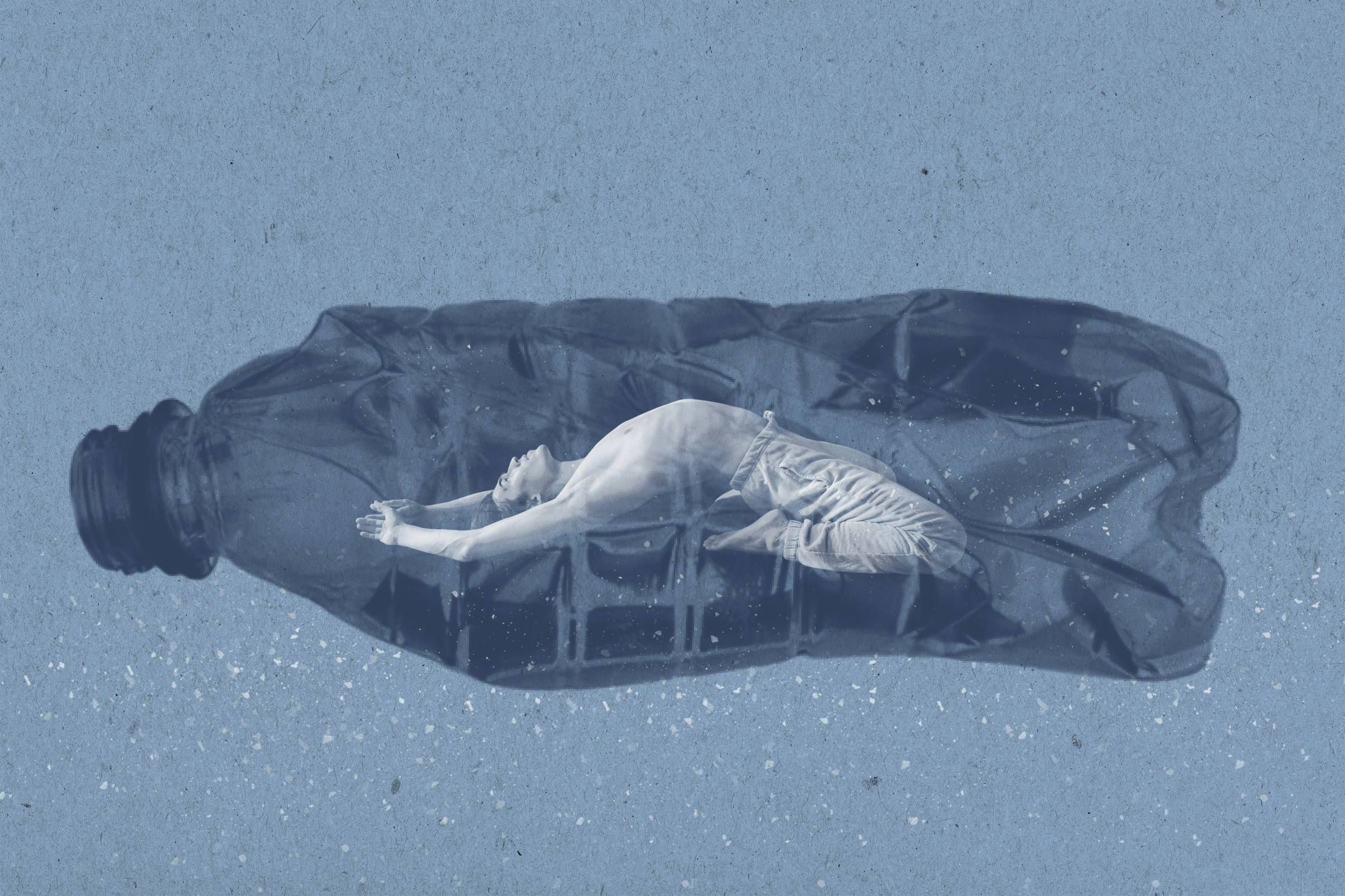
This summer I was negotiating a deal for a film I was producing. The deal fell through. What a bummer.
This wasn't my first run-in with failure. I’ve experienced countless creative disappointments over the last decade: book proposals that were turned down, tours that didn’t get booked, television shows that didn’t air, media appearances that never materialized, studio spaces that went to a higher bidder.
My self-indulgent twenties were seasoned with similar letdowns: promotions I didn’t earn, expensive homes I couldn’t afford, intimate relationships that petered out before they got started. And let’s not forget the hallmarks of a lotus eater: cars, clothes, furniture, watches, money, admiration. I wanted each so badly I could practically smell the satisfaction lingering around the corner of procurement.
I often wanted more than I had, which is a terrific recipe for discontentment. If you’re human, I suspect you can relate. The more you want a thing, the more disappointed you are when you don’t obtain it.
But after decades of being battered by my own unfulfilled desires, I’ve discovered that disappointment travels with a curious companion: relief.
You see, there’s relief in not getting what you want because the decision has already been made for you. When you decide to apply for a new job or drive to the mall for a new shirt, you experience a pang of relief—not because you acquired the object of your desire (you haven’t yet), but because you made a decision. At least that much is settled.
To decide is, etymologically, to cut off. A decision cuts off the deliberation, even if someone else does the cutting.
So when that film deal fell through, my disappointment came with a gift: one fewer possibility to fret over. In one sense, I didn’t get what I wanted. But in a deeper sense, I did: I got to stop agonizing over it.
—JFM
P.S. I’m bringing How to Let Go to New York this weekend. There are still a few tickets left.
"Knowing what you don’t want is the beginning of knowing what you do want."
Read 7 new maxims in the show notes
This week we speak with Luke Burgis about the identities hidden in our desires, why sentimental items can be so emotionally heavy, and more. Listen on Apple, Spotify, YouTube, or Patreon.

Minimize every form of clutter with our five-week decluttering course. Get $100 off today.
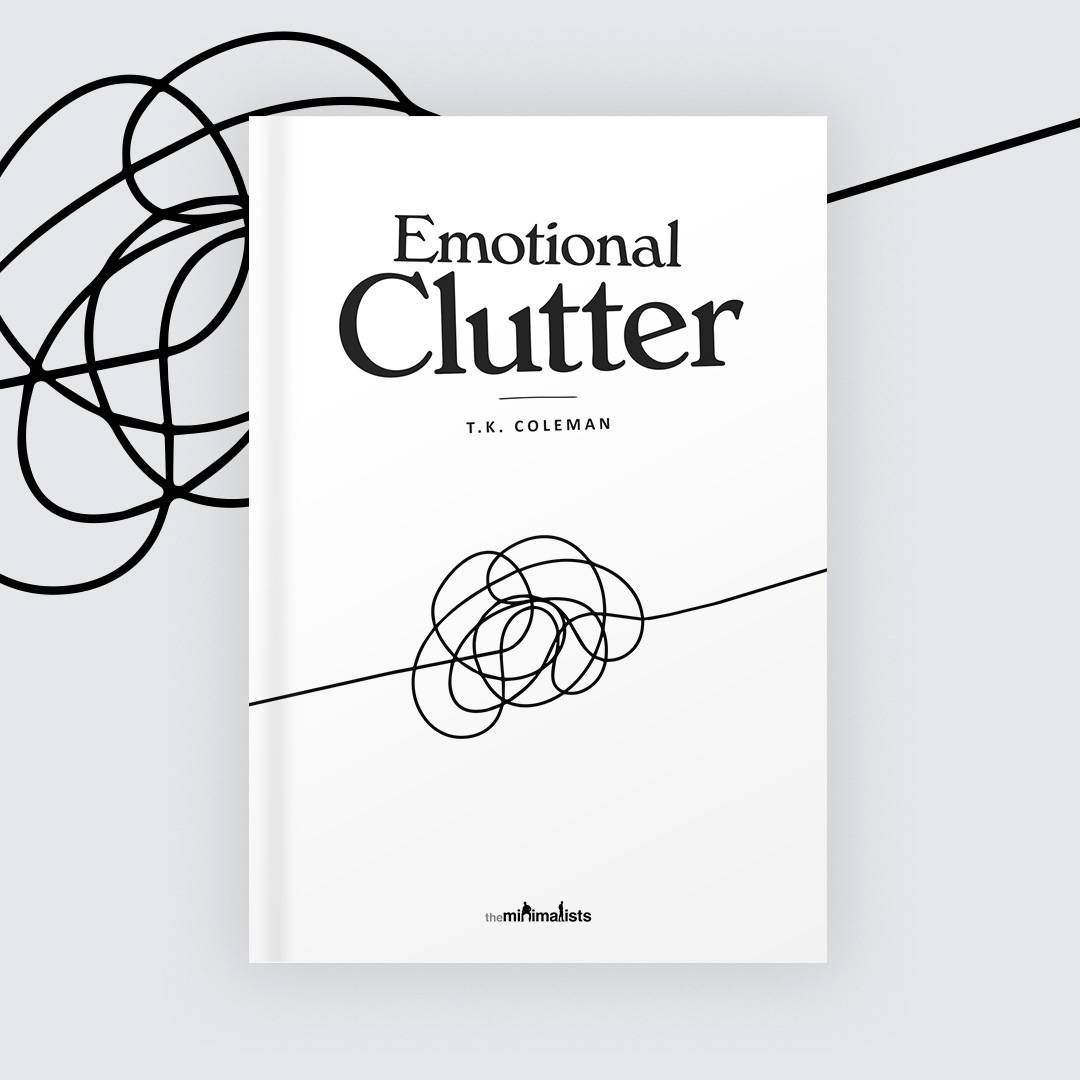
This book teaches you how to declutter the feelings that hide beneath the physical clutter.
More essays, podcasts, and events at The Minimalists.

8322 Beverly Blvd, Los Angeles, CA 90048
Manage Preferences or Unsubscribe

