Burning Man | One time, one meeting | Interview with Ethan Kross ͏ ͏ ͏ ͏ ͏ ͏ ͏ ͏ ͏ ͏ ͏ ͏ ͏ ͏ ͏ ͏ ͏ ͏ ͏ ͏ ͏ ͏ ͏ ͏ ͏ ͏ ͏ ͏ ͏ ͏ ͏ ͏ ͏ ͏ ͏ ͏ ͏ ͏ ͏ ͏ ͏ ͏ ͏ ͏ ͏ ͏ ͏ ͏ ͏ ͏ ͏ ͏ ͏ ͏ ͏ ͏ ͏ ͏ ͏ ͏ ͏ ͏ ͏ ͏ ͏ ͏ ͏ ͏ ͏ ͏ ͏ ͏ ͏ ͏ ͏ ͏ ͏ ͏ ͏ ͏ ͏ ͏ ͏ ͏ ͏ ͏ ͏ ͏ ͏ ͏ ͏ ͏ ͏ ͏ ͏ ͏ ͏ ͏ ͏ ͏ ͏ ͏ ͏ ͏ ͏ ͏ ͏ ͏ ͏ ͏ ͏ ͏ ͏ ͏ ͏ ͏ ͏ ͏ ͏ ͏ ͏ ͏ ͏ ͏ ͏ ͏ ͏ ͏ ͏ ͏ ͏ ͏ ͏ ͏ ͏ ͏ ͏ ͏ ͏ ͏ ͏ ͏ ͏ ͏ ͏ ͏ ͏ ͏ ͏ ͏
August 27th, 2026
_A newsletter by_ Anne-Laure Le Cunff
Hi friends,
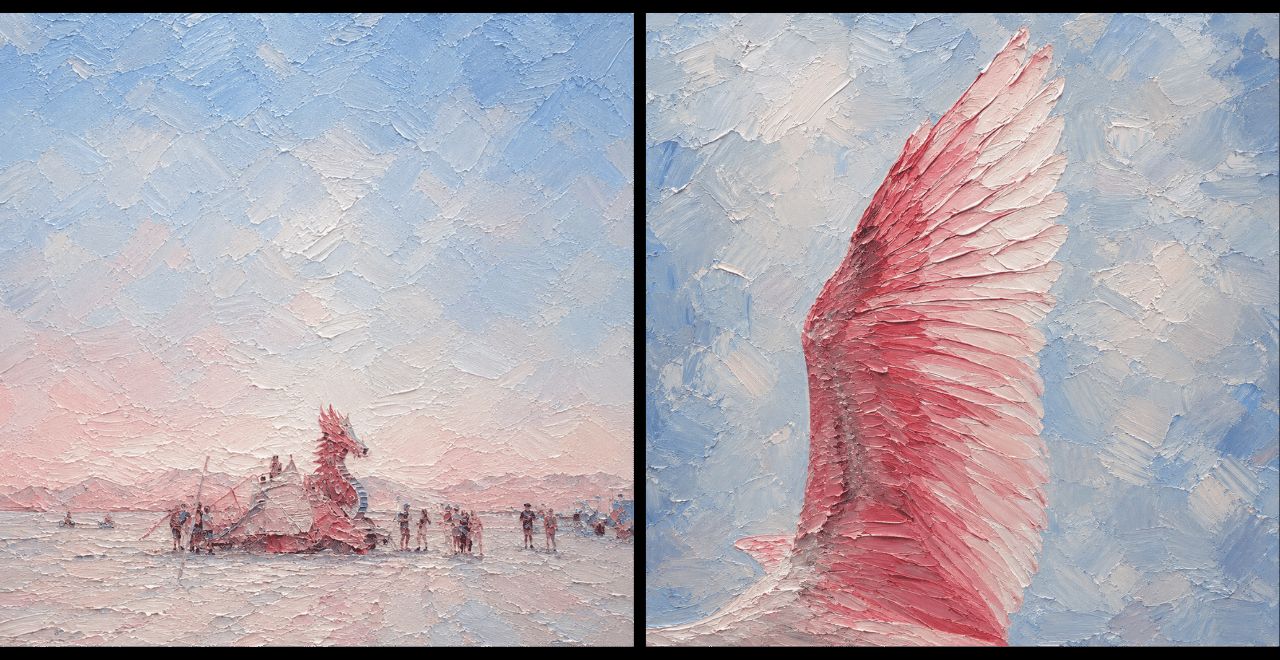
I’m in the middle of packing for Burning Man. Last year, I almost lost my dad there, so I’m hoping for a less intense edition this year.
You’ll hear lots of conflicting opinions about the Burn, and most of them are true in their own way. To me, it’s first and foremost a chance to spend a full week of serendipity without a phone, a to-do list, or a schedule.
Just following my curiosity, listening to my body, losing track of time. If I want to sleep, I sleep. If I want to dance, I dance. If I want to see some art, I grab my bike and go explore.
But much of the magic comes from the fleeting encounters: conversations with people I may never see again, but that still feel deeply meaningful because, for however long the interaction lasts, we’re both fully there.
So this week, I want to share the latest research on why we should pay more attention to these temporary connections in our lives.
There won’t be a newsletter next week, so I’ll see you in September :)
— Anne-Laure
When I was living in Tokyo, I came across an expression I immediately fell in love with: ichigo ichie (一期一会), often translated as “one time, one meeting.”
The idea comes from the Japanese tea ceremony. The principle is that even if the same host and guests meet again in the same room, that particular gathering will never happen twice. The people, the mood, the season and the circumstances will all be different. Ichigo ichie is an invitation to treat each encounter accordingly.
Most of us understand the importance of close relationships. Partners, family and friends provide intimacy, emotional support and the feeling of being deeply known. Because these relationships matter so much, it’s easy to overlook the value of people outside that inner circle. But seemingly minor encounters can contribute more to our well-being than we might expect.
Psychologists studied what they call “weak ties”: acquaintances, classmates and other people we know without being close to them. They found that people reported greater happiness and a stronger sense of belonging on days when they interacted with more weak ties than usual.
In another experiment, they studied customers ordering drinks at a coffee shop. Some were asked to make the transaction as efficient as possible. Others were encouraged to turn it into a small social interaction by smiling, making eye contact and having a brief conversation with the barista. The second group left in a better mood and with a greater sense of belonging.
These interactions are easy to dismiss because they’re brief, but the concept of ichigo ichie can help us understand how their brevity may be part of what makes them valuable.
There’s value in knowing something will end. For instance, researchers found that college students who were prompted to think of graduation as approaching soon became more engaged with college life and reported greater well-being.
They called this perceived temporal scarcity, the idea that when we remember that an experience is finite, we tend to appreciate it more:
1) We notice what makes each encounter unique. Another coffee with the same friend or conversation with a colleague may feel routine, but neither of you is exactly the same as last time. Looking for what is different makes familiar interactions feel like new again.
2) We engage more fully with the person in front of us. Instead of checking your phone or thinking about what to say next, you become more present, maybe even a little more curious about where the conversation is going, just through giving an ordinary interaction your full attention.
3) We find more meaning in small interactions. A conversation doesn’t need to lead to a friendship to matter. A chat with a neighbor, colleague, or barista can still contribute to a sense of connection.
You don’t need to seek out more people to interact with. Just start experimenting with the people already woven into the fabric of your days.
Learn your neighbor’s name. Ask a real question to a colleague you usually only make small talk with. Say hello to the person you regularly see at the gym. If you go to the same café each morning, ask the barista how they’re doing. None of these conversations needs to lead to anything deeper.
You can also practice ichigo ichie with people you know well. Familiarity can make us assume that there will always be more time: another dinner, another call, another chance to ask the question or listen properly. Remembering that this particular conversation will not happen again can bring some attention back to interactions that have become automatic.
Even if you meet the same person tomorrow, tomorrow will be a different meeting. So when someone is in front of you, be there too.
Try this week’s tiny experiment to make space for ichigo ichie in your life:
I will [pay full attention to fleeting interactions in my life] for [1 week].
Again, that can be an interaction your local barista, a colleague, the cashier at the supermarket. Want to learn how to run tiny experiments in all areas of your life and work? Get your copy of Tiny Experiments.
• Break free from inbox overwhelm. Start using a newsletter aggregator built for reading and wake up to a personalized news briefing using smart filters to always surface the most relevant content at the right time. Try Meco.
• Turn your expert knowledge into a business. Connect with your fans, grow your audience, and earn a living online with Kit, the only marketing platform built for creators, by creators. Join Kit today.
• Community matters more than ever in the age of AI. Bring together engaging discussions, members, live streams, chat, events, and memberships with Circle, the all-in-one community platform. Create your community.
Many thanks to our sponsors and cross-promo partners for supporting the Ness Labs newsletter! Want to appear here? Please email support@nesslabs.com to learn more.

ETHAN KROSS
Each week I ask a curious mind about their habits, routines, and rituals. This week we learn from experimental psychologist Ethan Kross, whose latest book Shift explores how to manage your emotions using tools you already possess.
1. One idea that keeps you up at night? Knowing that we have powerful science-based tools to help people regulate their emotions, build resilience, and perform in complex environments, but too many people still don’t know they exist.
2. One anchor ritual to reconnect with yourself? Instead of asking “Why am I feeling this way?”, I ask, “What should Ethan do right now?” Using your own name creates psychological distance, which helps turn the inner voice from a critic into a coach.
3. One mindset shift that transformed your work? Learning to reframe threats as challenges. When something feels overwhelming, I consciously shift the story in my head from “I can’t handle this” to “This is something I can take on.”
If you enjoy the newsletter, you’ll love our community of curious minds conducting tiny experiments within a safe space and learning together. Here is an overview of upcoming events (full calendar):
• Learn how to cultivate discernment. The first edition of Let Your Soul Guide You having been such a success, Laurent Marbacher is running this workshop again for anyone who missed it the first time around! 50 people have registered already.
• Make space for deep thinking. Through this guided exercise, Gosia Fricze will help you explore what gets in the way of deep thinking, why uninterrupted reflection matters, and how to create more space for thoughtful work in a distracted world.
**• Run AI Experiments that actually improve your life.** In this interactive session, Lia Golledge will share the AI experiments that have genuinely transformed how she learns, thinks, creates, writes, makes decisions, and grows her business.
• Discover the neuroscience of hope. Join William Collins for a workshop where you will learn how to understand your mind frames, how they impact your relationship with the future, and how to reframe them.
**• Make progress on your projects.** Join Kathryn Ruge for our Monday and Tuesday ‘body doubling’ coworking sessions to work on personal or work-related projects that you want to make progress on, covering all timezones. Ethan Miller is also hosting a cowriting session on Sunday this week.
**• Improve your knowledge management system.** Join our next PKM meeting where we learn from one another through sharing how our systems work in the real world and give new PKM users a leg up.
**• Host your own workshop.** Do you have an idea for a short presentation and Q&A or a workshop you’d like to trial? Test your first iteration in the Ness Labs community and get feedback. We promote all sessions here in the newsletter.
All of these and future events are included in the price of the membership (only $49 for one year), as well as access to our courses, workshop library, and a dedicated space to track your tiny experiments.
Until the next edition, take care!
Anne-Laure.
You received this email because you subscribed to the Ness Labs newsletter. “-ness” is a suffix that means “state of being”, as in aware_ness_, mindful_ness_, conscious_ness_. Ness Labs is a playground for curiosity – a place where you can learn how to experiment with ideas, explore creative projects, and reflect on your progress. Of course I don’t want to see you go, but you can unsubscribe at any time. If you do leave, I’d love an email to let me know what I could do better to improve the newsletter. Alternatively, you can update your profile to use a different email address. © Ness Labs, 600 1st Ave, Ste 330 PMB 92768, Seattle, WA 98104-2246.

