Books and Your Brain | Building a Reading Habit | Interview with Neal Schore ͏ ͏ ͏ ͏ ͏ ͏ ͏ ͏ ͏ ͏ ͏ ͏ ͏ ͏ ͏ ͏ ͏ ͏ ͏ ͏ ͏ ͏ ͏ ͏ ͏ ͏ ͏ ͏ ͏ ͏ ͏ ͏ ͏ ͏ ͏ ͏ ͏ ͏ ͏ ͏ ͏ ͏ ͏ ͏ ͏ ͏ ͏ ͏ ͏ ͏ ͏ ͏ ͏ ͏ ͏ ͏ ͏ ͏ ͏ ͏ ͏ ͏ ͏ ͏ ͏ ͏ ͏ ͏ ͏ ͏ ͏ ͏ ͏ ͏ ͏ ͏ ͏ ͏ ͏ ͏ ͏ ͏ ͏ ͏ ͏ ͏ ͏ ͏ ͏ ͏ ͏ ͏ ͏ ͏ ͏ ͏ ͏ ͏ ͏ ͏ ͏ ͏ ͏ ͏ ͏ ͏ ͏ ͏ ͏ ͏ ͏ ͏ ͏ ͏ ͏ ͏ ͏ ͏ ͏ ͏ ͏ ͏ ͏ ͏ ͏ ͏ ͏ ͏ ͏ ͏ ͏ ͏ ͏ ͏ ͏ ͏ ͏ ͏ ͏ ͏ ͏ ͏ ͏ ͏ ͏ ͏ ͏ ͏ ͏ ͏
August 13th, 2026
_A newsletter by_ Anne-Laure Le Cunff

Hi friends,
August is finally starting to feel like August on my end: fewer meetings, less work, and... more time to read!
I just started War and Peace and almost immediately noticed how, after only a few pages, my body begins to relax. My attention settles and the urge to check my phone fades away.
Which got me wondering what exactly happens to our brains when we read. In this edition, we’ll explore how the brain “recycles” ancient neural circuits to make reading possible, why reading can be so good for us, and a few simple ways to make it a more regular part of everyday life.
As usual, I hope you enjoy it and maybe learn something new :)
— Anne-Laure
Humans are the only animals capable of reading, an invention that’s only been around for a few thousand years. That’s nowhere near enough time for our brains to have evolved dedicated circuitry for reading. And yet, somehow, specific brain areas are consistently associated with reading across different cultures.
This puzzle, known as the “reading paradox”, has fascinated scientists for a while. How do humans learn to read in such a way that the same brain regions are activated regardless of where we grow up, and despite the fact that reading is too modern to be the product of evolution? And what benefits can we get from regularly activating those parts of our brain by reading everyday?
Cognitive neuroscientist Stanislas Dehaene proposed a solution to the reading paradox which he calls the neuronal recycling hypothesis. The theory suggests that our brains can repurpose existing circuitry for new functions, allowing us to acquire new cognitive abilities like reading.
Rather than evolving entirely new brain circuits, reading likely piggybacks on systems that were originally designed for other purposes, such as brain regions that were initially devoted to recognizing visual patterns in nature.
For instance, the ability to distinguish between the shapes of different leaves or animals in nature may be repurposed to help us differentiate between letters such as b and d. Through exposure and practice, the brain’s existing circuitry is “recycled” for the task of reading text.
This means that reading is a natural activity for our brains. Our ancestors used to rely on their pattern recognition skills to read nature and now we use those same abilities to read text. And reading is actually great for our cognitive health and well-being.
Because it actively engages your brain, reading is one of the healthiest hobbies for your mind. Not only is reading educational and informative, which is beneficial in itself, but it also rewires the connections in your brain, leading to many benefits.
Studies show that reading can help relax your body by lowering your heart rate and easing the tension in your muscles. Research has also been shown to slow the rate of memory deterioration and even improve your memory and thinking skills. And researchers have found that, compared to using social media, reading helps improve concentration by increasing the capacity for longer attention spans.
And yet… So many distractions, so many series to watch, so many podcasts to listen to. Finding the time or the motivation to read can be hard. So how can you cultivate a reading habit?
Here are three simple tips you can experiment with right away to make a habit of reading more:
• Pick a book you will enjoy. When it comes to reading, anything goes. Are you a fan of science-fiction? Short poems? History? And yes, even comics count. Anything that captures your interest and your imagination will be better than a book you find boring.
• Commit to reading one page every day. I’ve seen lots of advice recommending reading anywhere from five to ten pages a day, but that’s actually very hard to stick to. Instead, commit to reading one single page. If you feel like reading more, that’s great, but your only pact with yourself should be to read one page every single day.
• Set a reading time and place. This could be just before going to sleep, while in your bed. Or on your way to work in the morning. Or on the way back from the gym. Shielding time and having a set place will help to build a habit. Then, make sure you don’t have any distractions and lose yourself in the book.
Reading can bring a lot of goodness to your life. So next time you have a bit of free time, consider picking up a book instead of scrolling through social media. And encourage your loved ones to read more – their brains will thank you.
Try this week’s tiny experiment to make more space for reading:
I will [read one page every day] for [2 weeks].
Again, make sure to choose a book you enjoy, whether that’s fiction or nonfiction. Want to dig deeper? Get your copy of Tiny Experiments.
• Take control of your mornings. We found a mindfulness alarm that helps you wake up fully and start the day on your terms. Complete a thoughtful prompt to dismiss your alarm, receive morning messages from people you care about, and use science-backed tools to feel alert and ready. Try Arise.
• Break free from inbox overwhelm. Meco is a newsletter aggregator designed to make reading feel calm, focused, and useful again. Bring all your favorite newsletters into one place, organize them with smart filters, and wake up to a personalized news briefing that surfaces the most relevant content at the right time. Take control of your inbox.
• Build a lasting community around your work. Earn a living online with Kit, the newsletter platform built for creators, by creators. Grow your audience, share what matters, sell digital products, and turn your ideas into a sustainable business, all from one simple platform. Get started today.
Many thanks to our sponsors and cross-promo partners for supporting the Ness Labs newsletter! Want to appear here? Please email support@nesslabs.com to learn more.
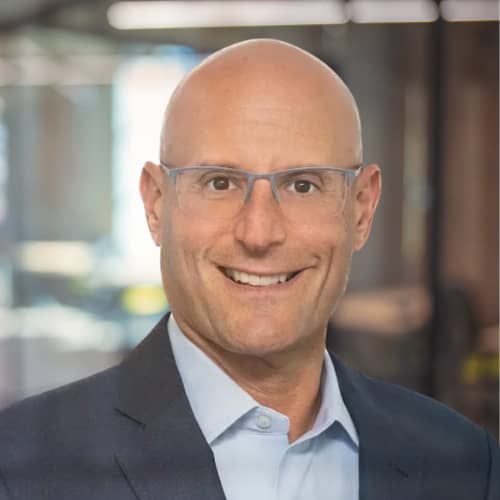
NEAL SCHORE
Each week I ask a curious mind about their habits, routines, and rituals. This week we learn from executive coach Neal Schore, whose book The 25th Hour explore how to thrive by getting out of your own way.
1. One daily practice you can’t do without? Five minutes of what I call Gratitude Equals Joy. Pausing to focus on what I’m genuinely grateful for resets my perspective and helps me move forward with clarity and intention. And it always puts a smile on my face.
2. One anchor ritual to reconnect with yourself? Walking – ideally outside – with minimal distractions, creating space to pause and reset. It’s a contrast to the fast pace of my day, where I’m constantly solving and responding. In that quiet, things simplify, and I find my best thinking and creativity flow.
3. One mindset shift that transformed your work? Instead of wasting energy managing others or assigning blame, I focus on controlling my own actions and responses. That shift eliminates unnecessary drama and keeps me positive and productive.
If you enjoy the newsletter, you’ll love our community of curious minds conducting tiny experiments within a safe space and learning together. Here is an overview of upcoming events (full calendar):
• Learn how to create when you feel stuck. In this guided session, Gosia Fricze will help you explore your main creative blocks and practical ways to reconnect with creativity when you’re feeling stuck.
**• Explore presence and embodiment through play.** Adam Skol will walk you through a practice that blends improv comedy, meditation, and light movement to help loosen your body, quiet your mind, and make connection feel easy. No experience needed.
**• Protect your mental health at work.** In this one-hour workshop, Adina Dinu will teach you the work factors that undermine your well-being, the differences between stress, burnout, and trauma, and healthy ways to respond to stress and adversity at work.
**• Make progress on your projects.** Join Kathryn Ruge for our Monday and Tuesday ‘body doubling’ coworking sessions to work on personal or work-related projects that you want to make progress on, covering all timezones. Ethan Miller is also hosting a cowriting session on Sunday this week.
**• Improve your knowledge management system.** Join our next PKM meeting where we learn from one another through sharing how our systems work in the real world and give new PKM users a leg up.
**• Host your own workshop.** Do you have an idea for a short presentation and Q&A or a workshop you’d like to trial? Test your first iteration in the Ness Labs community and get feedback. We promote all sessions here in the newsletter.
All of these and future events are included in the price of the membership (only $49 for one year), as well as access to our courses, workshop library, and a dedicated space to track your tiny experiments.
Until next week, take care!
Anne-Laure.
You received this email because you subscribed to the Ness Labs newsletter. “-ness” is a suffix that means “state of being”, as in aware_ness_, mindful_ness_, conscious_ness_. Ness Labs is a playground for curiosity – a place where you can learn how to experiment with ideas, explore creative projects, and reflect on your progress. Of course I don’t want to see you go, but you can unsubscribe at any time. If you do leave, I’d love an email to let me know what I could do better to improve the newsletter. Alternatively, you can update your profile to use a different email address. © Ness Labs, 600 1st Ave, Ste 330 PMB 92768, Seattle, WA 98104-2246.

