Dealing with Free-Floating Anxiety | 3 Steps to Restore Calm Attention | Interview with Steve Kamb ͏ ͏ ͏ ͏ ͏ ͏ ͏ ͏ ͏ ͏ ͏ ͏ ͏ ͏ ͏ ͏ ͏ ͏ ͏ ͏ ͏ ͏ ͏ ͏ ͏ ͏ ͏ ͏ ͏ ͏ ͏ ͏ ͏ ͏ ͏ ͏ ͏ ͏ ͏ ͏ ͏ ͏ ͏ ͏ ͏ ͏ ͏ ͏ ͏ ͏ ͏ ͏ ͏ ͏ ͏ ͏ ͏ ͏ ͏ ͏ ͏ ͏ ͏ ͏ ͏ ͏ ͏ ͏ ͏ ͏ ͏ ͏ ͏ ͏ ͏ ͏ ͏ ͏ ͏ ͏ ͏ ͏ ͏ ͏ ͏ ͏ ͏ ͏ ͏ ͏ ͏ ͏ ͏ ͏ ͏ ͏ ͏ ͏ ͏ ͏ ͏ ͏ ͏ ͏ ͏ ͏ ͏ ͏ ͏ ͏ ͏ ͏ ͏ ͏ ͏ ͏ ͏ ͏ ͏ ͏ ͏ ͏ ͏ ͏ ͏ ͏ ͏ ͏ ͏ ͏ ͏ ͏ ͏ ͏ ͏ ͏ ͏ ͏ ͏ ͏ ͏ ͏ ͏ ͏ ͏ ͏ ͏ ͏ ͏ ͏ ͏ ͏ ͏ ͏ ͏ ͏ ͏ ͏ ͏ ͏ ͏ ͏ ͏ ͏ ͏ ͏ ͏ ͏ ͏ ͏ ͏ ͏ ͏ ͏ ͏ ͏ ͏ ͏ ͏ ͏ ͏ ͏ ͏ ͏ ͏ ͏ ͏ ͏ ͏ ͏ ͏ ͏ ͏ ͏ ͏ ͏ ͏ ͏ ͏ ͏ ͏ ͏ ͏ ͏ ͏ ͏ ͏ ͏ ͏ ͏ ͏ ͏ ͏ ͏ ͏ ͏ ͏ ͏ ͏ ͏ ͏ ͏ ͏ ͏ ͏ ͏ ͏ ͏ ͏ ͏ ͏ ͏ ͏ ͏ ͏ ͏ ͏ ͏ ͏ ͏ ͏ ͏ ͏ ͏ ͏ ͏ ͏ ͏ ͏ ͏ ͏ ͏ ͏ ͏ ͏ ͏ ͏ ͏ ͏ ͏ ͏ ͏ ͏ ͏ ͏ ͏ ͏ ͏ ͏ ͏ ͏ ͏ ͏ ͏ ͏ ͏ ͏ ͏ ͏ ͏ ͏ ͏ ͏ ͏ ͏ ͏ ͏ ͏ ͏ ͏ ͏ ͏ ͏ ͏ ͏ ͏ ͏ ͏ ͏ ͏ ͏ ͏ ͏ ͏ ͏ ͏ ͏ ͏ ͏ ͏ ͏ ͏ ͏ ͏ ͏ ͏ ͏ ͏ ͏ ͏ ͏ ͏ ͏ ͏ ͏ ͏ ͏ ͏ ͏ ͏ ͏ ͏ ͏ ͏ ͏ ͏ ͏ ͏ ͏ ͏ ͏ ͏ ͏ ͏ ͏ ͏ ͏ ͏ ͏ ͏ ͏ ͏ ͏ ͏ ͏ ͏ ͏ ͏ ͏ ͏ ͏ ͏ ͏ ͏ ͏ ͏ ͏ ͏ ͏ ͏ ͏ ͏ ͏ ͏ ͏ ͏ ͏ ͏ ͏ ͏ ͏ ͏ ͏ ͏ ͏ ͏ ͏ ͏ ͏ ͏ ͏ ͏ ͏ ͏ ͏ ͏ ͏ ͏ ͏ ͏ ͏ ͏ ͏ ͏ ͏ ͏ ͏ ͏ ͏ ͏ ͏ ͏ ͏ ͏ ͏ ͏ ͏ ͏ ͏ ͏ ͏ ͏ ͏ ͏ ͏ ͏ ͏ ͏ ͏ ͏ ͏ ͏ ͏ ͏ ͏ ͏ ͏ ͏ ͏ ͏ ͏ ͏ ͏ ͏ ͏ ͏ ͏ ͏ ͏ ͏ ͏ ͏ ͏ ͏ ͏ ͏ ͏ ͏ ͏ ͏ ͏ ͏ ͏ ͏ ͏ ͏ ͏ ͏ ͏ ͏ ͏ ͏ ͏ ͏ ͏ ͏ ͏ ͏ ͏ ͏ ͏ ͏ ͏ ͏ ͏ ͏ ͏ ͏ ͏ ͏ ͏ ͏ ͏ ͏ ͏ ͏ ͏ ͏ ͏ ͏ ͏ ͏ ͏ ͏ ͏ ͏ ͏ ͏ ͏ ͏ ͏ ͏ ͏ ͏ ͏ ͏ ͏ ͏ ͏ ͏ ͏ ͏ ͏ ͏ ͏ ͏ ͏ ͏ ͏ ͏ ͏ ͏ ͏ ͏ ͏ ͏ ͏ ͏ ͏ ͏ ͏ ͏ ͏ ͏ ͏ ͏ ͏ ͏ ͏ ͏ ͏ ͏ ͏ ͏ ͏ ͏ ͏ ͏ ͏ ͏ ͏ ͏ ͏ ͏ ͏ ͏ ͏ ͏ ͏ ͏ ͏ ͏ ͏ ͏ ͏ ͏ ͏ ͏ ͏ ͏ ͏ ͏ ͏ ͏ ͏ ͏ ͏ ͏ ͏ ͏ ͏ ͏ ͏ ͏ ͏ ͏ ͏ ͏ ͏ ͏ ͏ ͏ ͏ ͏ ͏ ͏ ͏ ͏ ͏ ͏ ͏ ͏ ͏ ͏ ͏ ͏ ͏ ͏ ͏ ͏ ͏ ͏ ͏ ͏
June 18th, 2026
_A newsletter by_ Anne-Laure Le Cunff
Hi friends,
Have you ever felt anxious without knowing why? No deadline, no obvious problem to solve, just the sense that something is off.
This week, I’m writing about this kind of anxiety that doesn’t point to a clear cause, and what can help when your mind and body seem to be sounding an alarm with no fire.
I’m also sharing my interview with Steve Kamb, whose new book How to Try Again is out this week. Steve is one of the kindest humans I know, and he has put so much care into this book. Do check it out.
Lastly, if you’re in the US and would like the Kindle version of Tiny Experiments, there’s currently a limited-time Amazon deal with the ebook at just $1.99. You can grab it here.
Stay curious,
Anne-Laure
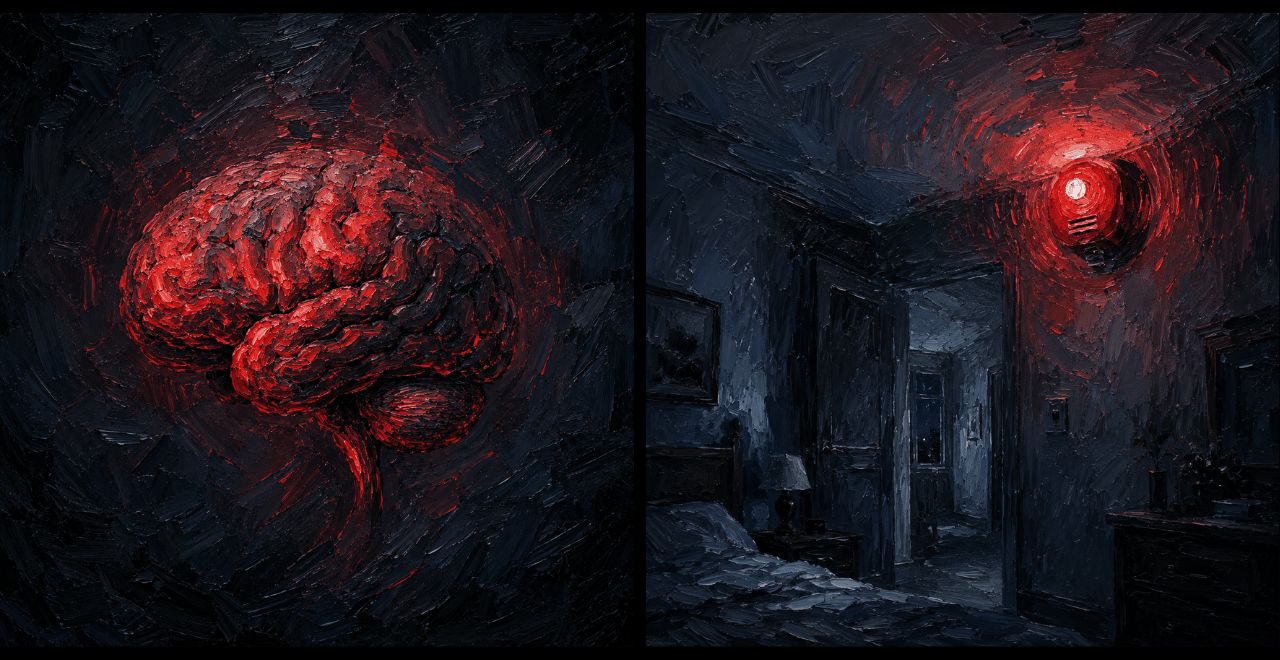
Imagine your fire alarm going off in the middle of the night.
You check every room and find no smoke, no fire, no obvious danger. The alarm is still making noise, but you have no idea what triggered it. Sometimes anxiety feels exactly like that – you know something feels wrong, but the feeling isn’t pointing at anything you can name.
The American Psychological Association describes this as free-floating anxiety: a diffuse sense of uneasiness that isn’t directed toward a specific situation or threat. You feel anxious, but you can’t quite explain why.
This can be especially frustrating, because anxiety is usually easier to manage when it has a clear cause. If you’re worried about a deadline, a difficult conversation, or a major decision, at least you know what you’re dealing with.
But when the feeling seems to come from nowhere, it’s much harder to know what to do next.
One possible explanation is that your brain is still scanning for danger even when there isn’t an immediate threat. Free-floating anxiety is believed to be linked to a hyperactive amygdala, the part of the brain involved in emotional responses and fear. Trauma and chronic stress can both contribute to this heightened state of alertness.
A lot of people are also carrying a low hum of uncertainty right now about jobs and how quickly AI is reshaping whole industries, about the economy, about the news cycle. While none of it is one nameable threat, together, it can become the kind of background noise that keeps your threat-detection system running at all times.
So even when you’re sitting at your desk answering emails or working through a routine task, your nervous system may still be primed for the possibility that something could go wrong.
The instinctive response is often to push through the anxiety. But trying to force your way through it can become another source of stress, leaving you feeling even more overwhelmed.
Instead, it helps to treat free-floating anxiety as a signal that something needs attention. Three small steps can help:
When anxiety feels disconnected from your actual circumstances and you can’t identify a clear stressor, it’s easy to assume something is wrong with you. But more often, your mind and body are responding to stress that hasn’t been fully processed yet.
You can’t (and shouldn’t try to) eliminate every anxious feeling. But you can recognize the signal and give yourself a chance to reset before moving forward. The alarm may still sound now and then. Instead of ignoring it, go check the rooms, see there’s no fire, and take the next small step.
Ready to put these ideas into practice? Try this week’s tiny experiment:
I will [journal for 5 minutes whenever I feel anxious] for [5 days].
When you notice anxiety showing up, pause and write down a few words that describe what you’re feeling. This experiment can help turn a vague sense of unease into something more concrete and easier to respond to.
➤ Want to dig deeper? Get your copy of Tiny Experiments.
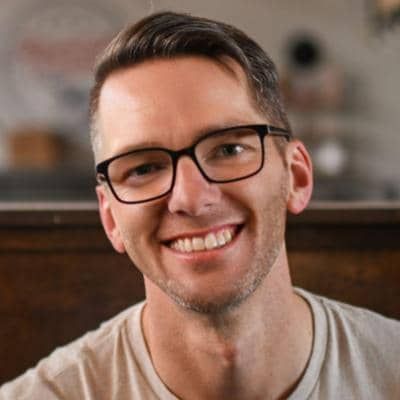
STEVE KAMB
Each week I ask a curious mind about their habits, routines, and rituals. This week we learn from entrepreneur and behavior change expert Steve Kamb, author of How to Try Again, an approachable guide to making change and navigating chaos.
1. One strategy to restart your creative engine? I declare “expectation bankruptcy” and give myself permission to “start ugly.” My best work is always downstream of ugly first drafts, so I want to navigate that first moment of resistance as quickly as possible. This quiets my brain long enough to just focus on the work.
2. One mindset shift that transformed your work? Treading water. Instead of always trying to win, I’ve accepted that some seasons of life require me to not lose. I can strategically half-ass things for months and even years when life requires it, and then start swimming again when life allows it.
3. One anchor ritual to reconnect with yourself? Self-compassionate acceptance. Change is hard, success is fleeting, and life is complicated enough. I don’t need to also add sky high expectations and an overly critical inner monologue to the mix.
• Great learning starts with small daily habits. IXL helps kids build confidence through personalized K–12 practice, educational games, and engaging video lessons – all in just 15 minutes a day. It's why millions of families and educators trust IXL. Ness Labs readers get 25% off – start today.
• You don’t need to struggle with inbox overwhelm. Start using a newsletter aggregator built for reading and wake up to a personalized news briefing using smart filters to always surface the most relevant content at the right time. Try Meco and take control of your inbox.
• Human connection matters more than ever. Bring together engaging discussions, members, live streams, chat, events, and memberships with Circle, the all-in-one community platform for creators and brands. Start building your community.
Many thanks to our sponsors and cross-promo partners for supporting the Ness Labs newsletter! Want to appear here? Please email support@nesslabs.com to learn more.
If you enjoy the newsletter, you’ll love our community of curious minds conducting tiny experiments within a safe space and learning together. Here is an overview of upcoming events (full calendar):
• Design an AI-powered reflection practice. Join Zsombor Koman for this workshop to learn how to use AI not as a faster answer machine but as a thinking partner that slows you down in productive ways.
**• Rediscover the art of listening.** In this workshop, Timothy Lydgate will discuss the physiological, linguistic, psychological and social dynamics which impact outcomes in our personal and professional interactions, whether engaging with friends or strangers, in copacetic or conflictual contexts.
• Find stillness in a noisy world. In this guided session, Gosia Fricze will help you explore the many forms of noise that compete for your attention, how constant stimulation affects your well-being, and how to create moments of stillness.
**• Make progress on your projects.** Join Kathryn Ruge for our Monday ‘body doubling’ coworking session to work on personal or work-related projects that you want to make progress on, covering all timezones. Ethan Miller is also hosting a cowriting session on Sunday this week.
**• Improve your knowledge management system.** Join our next PKM meeting where we learn from one another through sharing how our systems work in the real world and give new PKM users a leg up.
**• Host your own workshop.** Do you have an idea for a short presentation and Q&A or a workshop you’d like to trial? Test your first iteration in the Ness Labs community and get feedback. We promote all sessions here in the newsletter.
All of these and future events are included in the price of the membership (only $49 for one year), as well as access to our courses, workshop library, and a dedicated space to track your tiny experiments.
Until next week, take care!
Anne-Laure.
You received this email because you subscribed to the Ness Labs newsletter. “-ness” is a suffix that means “state of being”, as in aware_ness_, mindful_ness_, conscious_ness_. Ness Labs is a playground for curiosity – a place where you can learn how to experiment with ideas, explore creative projects, and reflect on your progress. Of course I don’t want to see you go, but you can unsubscribe at any time. If you do leave, I’d love an email to let me know what I could do better to improve the newsletter. Alternatively, you can update your profile to use a different email address. © Ness Labs, 600 1st Ave, Ste 330 PMB 92768, Seattle, WA 98104-2246.

