The Power of Ordinary Experiences | How to Trigger Happiness on Demand | Interview with Harriet Beveridge ͏ ͏ ͏ ͏ ͏ ͏ ͏ ͏ ͏ ͏ ͏ ͏ ͏ ͏ ͏ ͏ ͏ ͏ ͏ ͏ ͏ ͏ ͏ ͏ ͏ ͏ ͏ ͏ ͏ ͏ ͏ ͏ ͏ ͏ ͏ ͏ ͏ ͏ ͏ ͏ ͏ ͏ ͏ ͏ ͏ ͏ ͏ ͏ ͏ ͏ ͏ ͏ ͏ ͏ ͏ ͏ ͏ ͏ ͏ ͏ ͏ ͏ ͏ ͏ ͏ ͏ ͏ ͏ ͏ ͏ ͏ ͏ ͏ ͏ ͏ ͏ ͏ ͏ ͏ ͏ ͏ ͏ ͏ ͏ ͏ ͏ ͏ ͏ ͏ ͏ ͏ ͏ ͏ ͏ ͏ ͏ ͏ ͏ ͏ ͏ ͏ ͏ ͏ ͏ ͏ ͏ ͏ ͏ ͏ ͏ ͏ ͏ ͏ ͏ ͏ ͏ ͏ ͏ ͏ ͏ ͏ ͏ ͏ ͏ ͏ ͏ ͏ ͏ ͏ ͏ ͏ ͏ ͏ ͏ ͏ ͏ ͏ ͏ ͏ ͏ ͏ ͏ ͏ ͏ ͏ ͏ ͏ ͏ ͏ ͏ ͏ ͏ ͏ ͏ ͏ ͏ ͏ ͏ ͏ ͏ ͏ ͏ ͏ ͏ ͏ ͏ ͏ ͏ ͏ ͏ ͏ ͏ ͏ ͏ ͏ ͏ ͏ ͏ ͏ ͏ ͏ ͏ ͏ ͏ ͏ ͏ ͏ ͏ ͏ ͏ ͏ ͏ ͏ ͏ ͏ ͏ ͏ ͏ ͏ ͏ ͏ ͏ ͏ ͏ ͏ ͏ ͏ ͏ ͏ ͏ ͏ ͏ ͏ ͏ ͏ ͏ ͏ ͏ ͏ ͏ ͏ ͏ ͏ ͏ ͏ ͏ ͏ ͏ ͏ ͏ ͏ ͏ ͏ ͏ ͏ ͏ ͏ ͏ ͏ ͏ ͏ ͏ ͏ ͏ ͏ ͏ ͏ ͏ ͏ ͏ ͏ ͏ ͏ ͏ ͏ ͏ ͏ ͏ ͏ ͏ ͏ ͏ ͏ ͏ ͏ ͏ ͏ ͏ ͏ ͏ ͏ ͏ ͏ ͏ ͏ ͏ ͏ ͏ ͏ ͏ ͏ ͏ ͏ ͏ ͏ ͏ ͏ ͏ ͏ ͏ ͏ ͏ ͏ ͏ ͏ ͏ ͏ ͏ ͏ ͏ ͏ ͏ ͏ ͏ ͏ ͏ ͏ ͏ ͏ ͏ ͏ ͏ ͏ ͏ ͏ ͏ ͏ ͏ ͏ ͏ ͏ ͏ ͏ ͏ ͏ ͏ ͏ ͏ ͏ ͏ ͏ ͏ ͏ ͏ ͏ ͏ ͏ ͏ ͏ ͏ ͏ ͏ ͏ ͏ ͏ ͏ ͏ ͏ ͏ ͏ ͏ ͏ ͏ ͏ ͏ ͏ ͏ ͏ ͏ ͏ ͏ ͏ ͏ ͏ ͏ ͏ ͏ ͏ ͏ ͏ ͏ ͏ ͏ ͏ ͏ ͏ ͏ ͏ ͏ ͏ ͏ ͏ ͏ ͏ ͏ ͏ ͏ ͏ ͏ ͏ ͏ ͏ ͏ ͏ ͏ ͏ ͏ ͏ ͏ ͏ ͏ ͏ ͏ ͏ ͏ ͏ ͏ ͏ ͏ ͏ ͏ ͏ ͏ ͏ ͏ ͏ ͏ ͏ ͏ ͏ ͏ ͏ ͏ ͏ ͏ ͏ ͏ ͏ ͏ ͏ ͏ ͏ ͏ ͏ ͏ ͏ ͏ ͏ ͏ ͏ ͏ ͏ ͏ ͏ ͏ ͏ ͏ ͏ ͏ ͏ ͏ ͏ ͏ ͏ ͏ ͏ ͏ ͏ ͏ ͏ ͏ ͏ ͏ ͏ ͏ ͏ ͏ ͏ ͏ ͏ ͏ ͏ ͏ ͏ ͏ ͏ ͏ ͏ ͏ ͏ ͏ ͏ ͏ ͏ ͏ ͏ ͏ ͏ ͏ ͏ ͏ ͏ ͏ ͏ ͏ ͏ ͏ ͏ ͏ ͏ ͏ ͏ ͏ ͏ ͏ ͏ ͏ ͏ ͏ ͏ ͏ ͏ ͏ ͏ ͏ ͏ ͏ ͏ ͏ ͏ ͏ ͏ ͏ ͏ ͏ ͏ ͏ ͏ ͏ ͏ ͏ ͏ ͏ ͏ ͏ ͏ ͏ ͏ ͏ ͏ ͏ ͏ ͏ ͏ ͏ ͏ ͏ ͏ ͏ ͏ ͏ ͏ ͏ ͏ ͏ ͏ ͏ ͏ ͏ ͏ ͏ ͏ ͏ ͏ ͏ ͏ ͏ ͏ ͏ ͏ ͏ ͏ ͏ ͏ ͏ ͏ ͏ ͏ ͏ ͏ ͏ ͏ ͏ ͏ ͏ ͏ ͏ ͏ ͏ ͏ ͏ ͏ ͏ ͏ ͏ ͏ ͏ ͏ ͏ ͏ ͏ ͏ ͏ ͏ ͏ ͏ ͏ ͏ ͏ ͏ ͏ ͏ ͏ ͏ ͏ ͏ ͏ ͏ ͏ ͏ ͏ ͏ ͏ ͏
June 26th, 2026
_A newsletter by_ Anne-Laure Le Cunff
Hi friends,
It’s very hot in London and in many other parts of the world. Everything feels slow and heavy, and I’ve noticed how easy it is to slip into complaining and just being miserable.
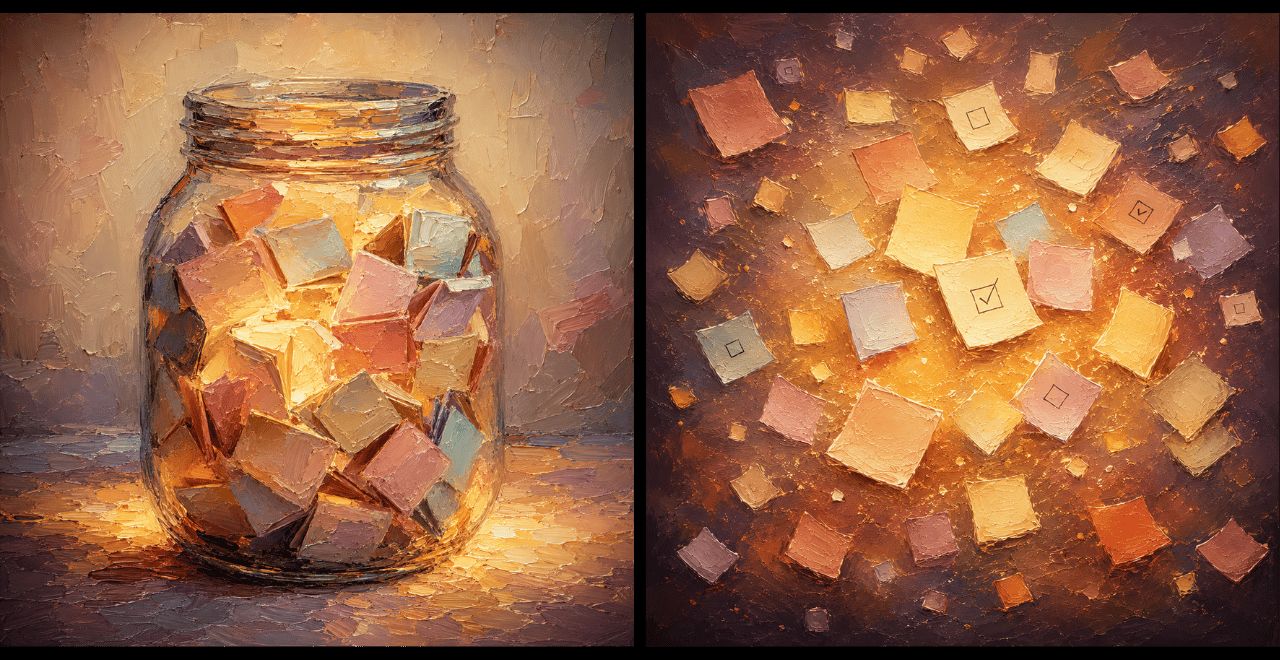
Something helpful I learned a few years ago is the concept of a joy list. Here are some of mine: making iced tea, listening to anything by The Pirouettes, walking down my street and checking the front window of the local bookstore, texting with my best friend.
This week we’ll explore the science behind these small joy triggers, and how you can build your own joy list to pull from anytime you need it.
I was also incredibly happy to see my work featured in The Guardian this week, both online and in print! You can read it here, and for those of you in the UK, the magazine hits newsstands tomorrow.
Stay curious,
Anne-Laure
P.S. We have lots of fun summer workshops coming up in the Ness Labs community, scroll to the bottom of the newsletter to join us!
Most of us are bad at remembering the little things that make us happy. We remember birthdays, promotions and other major milestones, but the small moments that brighten an ordinary day disappear from memory almost as quickly as they happen – even though these experiences can have a significant impact on how we feel.
Neurochemicals linked to pleasure and well-being help create many of the emotions we associate with happiness, and many of the experiences that activate these systems are surprisingly ordinary, like a song that instantly lifts your mood or the first sip of your favorite tea.
But research suggests that ordinary experiences are easy to forget, even when they consistently make our lives better.
This creates an interesting paradox. Some of the most accessible sources of joy are available to us every day, yet they’re the least likely to come to mind when we’re stressed or overwhelmed.
Instead, we tend to reach for bigger solutions like a vacation or some future milestone that promises to make us happier, while the little things that could genuinely improve our mood are already within reach.
Which is why it’s worth building a deliberate collection of small and reliable sources of joy that you can return to whenever you need it. Here’s how to do it:
1. Collect joy triggers as they happen. Create a note called “joy list” or similar and add to it whenever you notice yourself feeling good. Capturing these moments in real time is more effective than trying to remember them later.
2. Keep the list actionable. A favorite song, a quick run, a poem you love or a photo that brings back good memories… The best joy triggers are usually simple and easy to repeat.
3. Use the list when you need it. The next time you feel anxious or overwhelmed, don’t just push through it. Pull up the list, pick one thing, and do it. A few minutes of undivided attention on something you enjoy can lift your mood even when nothing about the situation has changed.
Most importantly, experiment. Not every joy trigger works the same way for everyone, or even for the same person on different days. Pay attention to what actually shifts your mood, keep what works, and let go of what doesn’t. The list is meant to grow and change.
Happiness is often framed as something big that we need to chase. But some of the most reliable sources of joy are already part of your life. You just need to notice and capture them, and make space for them more often.
Ready to put these ideas into practice? Try this week’s tiny experiment to practice paying attention to small sources of joy.
I will [collect one joy trigger every day] for [5 days].
Each time you notice a moment that lifts your mood, write it down. By the end of the week, you’ll have a personal list of simple activities you can return to whenever you need a little boost.
➤ Want to dig deeper? Get your copy of Tiny Experiments.
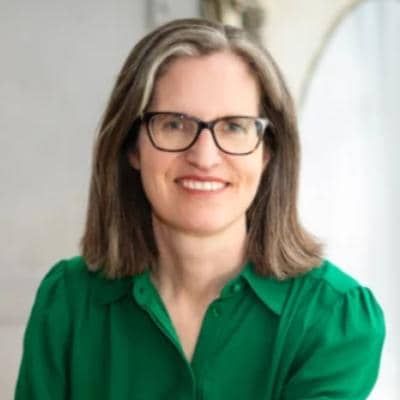
HARRIET BEVERIDGE
Each week I ask a curious mind about their habits, routines, and rituals. This week we hear from Harriet Beveridge, whose book Will It Make The Boat Go Faster?, co-written with Olympic gold medallist Ben Hunt-Davis, shows how to stay focused on what truly matters.
1. One mindset shift that transformed your work? The question, ‘will it make the boat go faster?’ It’s the question the British rowing crew used to engage their curiosity, and to keep learning throughout their journey to gold at the Sydney Olympics. It is so beautifully simple, so powerful to keep actions aligned to what is important rather than what’s simply in front of us.
2. One strategy to restart your creative engine? Humour! When we laugh, different brain regions feed off each other in a kind of dance: cognitive reappraisal promotes expansive emotions which promote social connection – and vice versa. This glorious looping mix takes us in new, exciting, unexpected directions.
3. One habit you wish you had? To see friends more often – to make that my ‘default setting’. I’m a member of a book group and a walking group and because those regular meet ups are in the diary, they happen. I need to find a way of making more casual meetings routine.
• If you love learning, you need Shortform. The smartest people don’t just consume more information. They learn efficiently. Shortform helps you absorb the most valuable insights from the world's best nonfiction books in minutes, complete with practical exercises and actionable takeaways. Learn more, remember more, and put ideas into practice faster. The first 500 readers get 20% off.
• Unlock the power of human connection with Circle. Bring together engaging discussions, members, live streams, chat, events, and memberships with Circle, the all-in-one community platform for creators and brands. Start building your community.
• Try Meco to take control of your inbox. Start using a newsletter aggregator built for reading and wake up to a personalized news briefing using smart filters to always surface the most relevant content at the right time. Stop struggling with inbox overwhelm.
Many thanks to our sponsors and cross-promo partners for supporting the Ness Labs newsletter! Want to appear here? Please email support@nesslabs.com to learn more.
If you enjoy the newsletter, you’ll love our community of curious minds conducting tiny experiments within a safe space and learning together. Here is an overview of upcoming events (full calendar):
• Find stillness in a noisy world. In this guided session, Gosia Fricze will help you explore the many forms of noise that compete for your attention, how constant stimulation affects your well-being, and how to create moments of stillness.
**• Rediscover the art of listening.** In this workshop, Timothy Lydgate will discuss the physiological, linguistic, psychological and social dynamics which impact outcomes in our personal and professional interactions, whether engaging with friends or strangers, in copacetic or conflictual contexts.
• Discover why sometimes you should be late. Join Alex Snider for this author session to question your relationship with deadlines, productivity, and presence – and what it might look like to work in a way that supports both output and a life you actually enjoy.
**• Explore the neuroscience of hope.** When William Collins experienced a series of life changing losses, he found myself faced with a large liminal space. Join this workshop to explore the science of brain-friendly ways to think about your future.
**• Protecting your mental health at work.** In this one-hour session, Adina Dinu will teach you the work factors that undermine your well-being, the differences between stress, burnout, and trauma, and healthy ways to respond to stress and adversity at work.
**• Make progress on your projects.** Join Kathryn Ruge for our Monday ‘body doubling’ coworking session to work on personal or work-related projects that you want to make progress on, covering all timezones. Ethan Miller is also hosting a cowriting session on Sunday this week.
**• Improve your knowledge management system.** Join our next PKM meeting where we learn from one another through sharing how our systems work in the real world and give new PKM users a leg up.
**• Host your own workshop.** Do you have an idea for a short presentation and Q&A or a workshop you’d like to trial? Test your first iteration in the Ness Labs community and get feedback. We promote all sessions here in the newsletter.
All of these and future events are included in the price of the membership (only $49 for one year), as well as access to our courses, workshop library, and a dedicated space to track your tiny experiments.
Until next week, take care!
Anne-Laure.
You received this email because you subscribed to the Ness Labs newsletter. “-ness” is a suffix that means “state of being”, as in aware_ness_, mindful_ness_, conscious_ness_. Ness Labs is a playground for curiosity – a place where you can learn how to experiment with ideas, explore creative projects, and reflect on your progress. Of course I don’t want to see you go, but you can unsubscribe at any time. If you do leave, I’d love an email to let me know what I could do better to improve the newsletter. Alternatively, you can update your profile to use a different email address. © Ness Labs, 600 1st Ave, Ste 330 PMB 92768, Seattle, WA 98104-2246.

