Reclaiming Discovery | Curating Your Curiosity | Interview with Julia Minson ͏ ͏ ͏ ͏ ͏ ͏ ͏ ͏ ͏ ͏ ͏ ͏ ͏ ͏ ͏ ͏ ͏ ͏ ͏ ͏ ͏ ͏ ͏ ͏ ͏ ͏ ͏ ͏ ͏ ͏ ͏ ͏ ͏ ͏ ͏ ͏ ͏ ͏ ͏ ͏ ͏ ͏ ͏ ͏ ͏ ͏ ͏ ͏ ͏ ͏ ͏ ͏ ͏ ͏ ͏ ͏ ͏ ͏ ͏ ͏ ͏ ͏ ͏ ͏ ͏ ͏ ͏ ͏ ͏ ͏ ͏ ͏ ͏ ͏ ͏ ͏ ͏ ͏ ͏ ͏ ͏ ͏ ͏ ͏ ͏ ͏ ͏ ͏ ͏ ͏ ͏ ͏ ͏ ͏ ͏ ͏ ͏ ͏ ͏ ͏ ͏ ͏ ͏ ͏ ͏ ͏ ͏ ͏ ͏ ͏ ͏ ͏ ͏ ͏ ͏ ͏ ͏ ͏ ͏ ͏ ͏ ͏ ͏ ͏ ͏ ͏ ͏ ͏ ͏ ͏ ͏ ͏ ͏ ͏ ͏ ͏ ͏ ͏ ͏ ͏ ͏ ͏ ͏ ͏ ͏ ͏ ͏ ͏ ͏ ͏
November 12th, 2026
_A newsletter by_ Anne-Laure Le Cunff
Hi Friends,
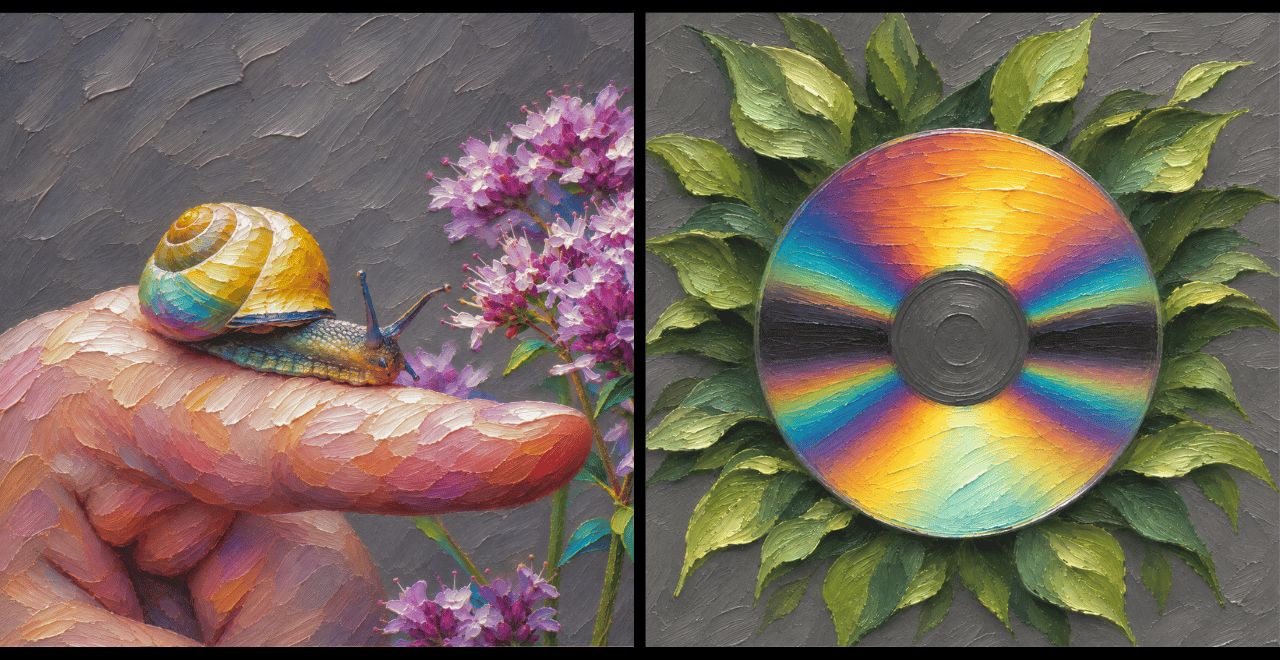
Some of my friends have been surprised to hear that I recently bought a CD player. Not a cool vinyl turntable, no, just a plain, basic CD player. When they asked why, I told them it was one of my little acts of resistance against the algorithm.
Instead of only listening to automatically generated playlists on Spotify, I wanted to choose a CD, put it in the player, and listen to an entire album from start to finish, in the order the artist intended.*
In 2018, a YouTube executive revealed that over 75% of watch time came from algorithmic recommendations. Back in 2023, Meta reported that over one in five pieces of content on Facebook and Instagram’s feeds was recommended by AI from accounts users hadn’t followed. We spend about half of our online time on Alphabet and Meta services, which makes you wonder: how much of the content we consume is algorithmically driven?
There are different ways in which algorithms influence our consumption, where content is:
Many concerns about algorithms have already been discussed, from filter bubbles and social media addiction to the reduced control we have over our attention.
But what worries me most, as a neuroscientist who studies curiosity, is the potential loss of independent discovery.
Traditionally, discovering content involved making deliberate choices: picking a book, browsing a newspaper, searching for music, or asking a friend for recommendations.
Algorithmic feeds make discovery effortless, but they may also reduce our incentive to seek things out independently. They encourage a more passive relationship with information, where we consume what’s presented to us rather than actively pursuing what interests us.
At an individual level, this could mean a loss of autonomy over our personal tastes, with a gradual blurring of the distinction between what we genuinely like and what we’ve been conditioned to engage with. There’s a difference between discovering something because you actively sought it out and developing an interest because it was repeatedly put in front of you.
At a collective level, algorithms could accelerate a broader trend towards the homogenization of culture and creativity that began long before social media, with radio and television. When algorithms reward particular formats, styles, and subjects, artists and creators have an incentive to produce work that performs well within those systems.
This could mean less experimentation with creative ideas that might initially perform poorly, and cultural discovery becoming concentrated around what platforms already know performs well.
We may not be able to change how these major content platforms are designed, but we can introduce what I like to call “little acts of algorithmic resistance” into our everyday lives. Here are a few ideas:
You can also join online communities (like Ness Labs!) or even create a monthly recommendation exchange, getting a few friends together and asking everyone to bring one thing they’ve genuinely loved recently: a song, a book, an article, a recipe, a film, or a place. No rankings, no scrolling. Just human-curated inspiration to fuel your curiosity.
Being less dependent on algorithms doesn’t mean abandoning technology or only buying physical things. It can be as simple as finding old school ways to discover new films, listening to an album from start to finish, or asking another person what they love. And if any of these ideas inspire you, why not turn one into a tiny experiment? :)
* My favorite album at the moment is Timeless by Thylacine.
Try this week’s tiny experiment to perform little acts of algorithmic resistance:
I will [switch to non-algorithmic content in one area of my life] for [the next two weeks].
The area where you want to resist the algorithm could be nutrition, fashion, art, music... And if you like the changes you observe, you could even experiment with non-algorithmic content in other areas of your life.
➤ Want to learn how to develop and maintain an experimental mindset? Get your copy of Tiny Experiments.
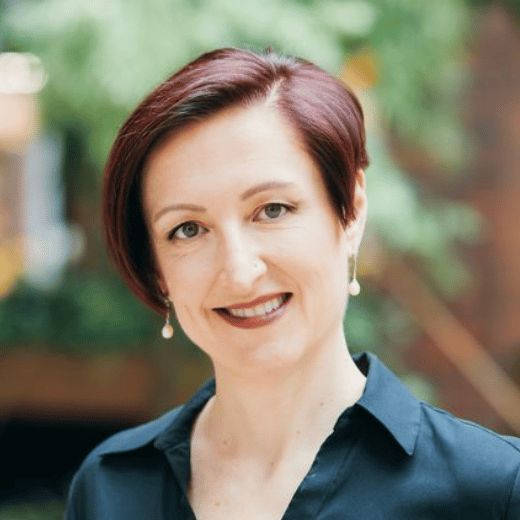
JULIA MINSON
Each week I ask a curious mind about their habits, routines, and rituals. This week we learn from Harvard behavioral scientist Julia Minson, author of How to Disagree Better, a guide to leading a life of more influence and less conflict.
1. One strategy to restart your creative engine? I love walking. I just walk to see the outdoors and give the dog some joy. But inevitably, when I am not trying to think about anything, new ideas show up.
2. One mindset shift that transformed your work? My PhD advisor used to say “There is no such thing as bad data. There are only researchers who don’t understand their data.” I find that very empowering because it implies that if you keep thinking harder, you will figure it out.
3. One habit you wish you had? Knowing how to shut off for vacation. I love my work, and because research is basically a series of puzzles, I have a very difficult time putting it all out of my mind just because a particular time got scheduled for “unwinding.”
• Break free from inbox overwhelm. Start using a newsletter aggregator built for reading and wake up to a personalized news briefing using smart filters to always surface the most relevant content at the right time. Try Meco.
• The future belongs to community builders. Bring together engaging discussions, members, live streams, chat, events, and memberships with the all-in-one community platform for creators and brands. Join Circle.
• Declutter your online research. Every day, Refind analyzes thousands of articles and sends you only the best, tailored to your interests. Receive curated articles from top publications and thought leaders. Subscribe here.
Many thanks to our sponsors and cross-promo partners for supporting the Ness Labs newsletter! Want to appear here? Please email support@nesslabs.com to learn more.
If you enjoy the newsletter, you’ll love our community of curious minds conducting tiny experiments within a safe space and learning together. Here is an overview of upcoming events (full calendar):
• Join our next live curiosity quest. Join us for one hour of metacognitive practices and reflection exercises to develop an experimental mindset. Our next session is on November 24, hosted as part of the Ness Labs Fellowship.
**• Learn how to change your mind.** In this Ness Labs Membership session open to all community members, Gosia Fricze will help you explore why changing our minds can feel uncomfortable, and how to become more open to reconsidering what we think we know.
**• Craft your day to strengthen presence.** Join Matej Rumanovský for a workshop to begin shaping something small and sustainable as your own personal ritual for presence.
**• Decide how to experiment with AI.** In this discussion, William Collins will help you run experiments around the way you think, and work with AI as scaffolding to explore questions that matter to you.
**• Make progress on your projects.** Join Kathryn Ruge for our Monday body doubling sessions to work on personal or work-related projects that you want to make progress on, covering all timezones. Can’t make it? Adriana Scalora is also hosting coworking sessions on Tuesday.
**• Design a healthy relationship with AI.** Natalia runs the AI Collective within the Ness Labs community, with fortnightly virtual meetups that encourage collective curiosity and sensemaking around AI.
**• Improve your knowledge management system.** Join our next PKM meeting where we learn from one another through sharing how our systems work in the real world and give new PKM users a leg up.
**• Host your own workshop.** Do you have an idea for a short presentation and Q&A or a workshop you’d like to trial? Test your first iteration in the Ness Labs community and get feedback. We promote all sessions here in the newsletter.
The Ness Labs Membership is $49/year for all peer-learning sessions and self-paced courses; the Ness Labs Fellowship is $249/year for live experimental coaching sessions and workshops taught by Anne-Laure. You can cancel any time.
You received this email because you subscribed to the Ness Labs newsletter. “-ness” is a suffix that means “state of being”, as in aware_ness_, mindful_ness_, conscious_ness_. Ness Labs is a playground for curiosity – a place where you can learn how to experiment with ideas, explore creative projects, and reflect on your progress. Of course I don’t want to see you go, but you can unsubscribe at any time. If you do leave, I’d love an email to let me know what I could do better to improve the newsletter. Alternatively, you can update your profile to use a different email address. © Ness Labs, 600 1st Ave, Ste 330 PMB 92768, Seattle, WA 98104-2246.

