Baseball on the brain ⚾️
10 things worth sharing this week ͏ ͏ ͏ ͏ ͏ ͏ ͏ ͏ ͏ ͏ ͏ ͏ ͏ ͏ ͏ ͏ ͏ ͏ ͏ ͏ ͏ ͏ ͏ ͏ ͏ ͏ ͏ ͏ ͏ ͏ ͏ ͏ ͏ ͏ ͏ ͏ ͏ ͏ ͏ ͏ ͏ ͏ ͏ ͏ ͏ ͏ ͏ ͏ ͏ ͏ ͏ ͏ ͏ ͏ ͏ ͏
DuckDuckGo removed trackers from Mailgun, and one other. More
10 things worth sharing this week
͏ ͏ ͏ ͏ ͏ ͏ ͏ ͏ ͏ ͏ ͏ ͏ ͏ ͏ ͏ ͏ ͏ ͏ ͏ ͏ ͏ ͏ ͏ ͏ ͏ ͏ ͏ ͏ ͏ ͏ ͏ ͏ ͏ ͏ ͏ ͏ ͏ ͏ ͏ ͏ ͏ ͏ ͏ ͏ ͏ ͏ ͏ ͏ ͏ ͏ ͏ ͏ ͏ ͏ ͏ ͏ ͏ ͏ ͏ ͏ ͏ ͏ ͏ ͏ ͏ ͏ ͏ ͏ ͏ ͏ ͏ ͏ ͏ ͏ ͏ ͏ ͏ ͏ ͏ ͏ ͏ ͏ ͏ ͏ ͏ ͏ ͏ ͏ ͏ ͏ ͏ ͏ ͏ ͏ ͏ ͏ ͏ ͏ ͏ ͏ ͏ ͏ ͏ ͏ ͏ ͏ ͏ ͏ ͏ ͏ ͏ ͏ ͏ ͏ ͏ ͏ ͏ ͏ ͏ ͏ ͏ ͏ ͏ ͏ ͏ ͏ ͏ ͏ ͏ ͏ ͏ ͏ ͏ ͏ ͏ ͏ ͏ ͏ ͏ ͏ ͏ ͏ ͏ ͏ ͏ ͏ ͏ ͏ ͏ ͏ ͏ ͏ ͏ ͏ ͏ ͏ ͏ ͏ ͏ ͏ ͏ ͏ ͏ ͏ ͏ ͏ ͏ ͏ ͏ ͏ ͏ ͏ ͏ ͏ ͏ ͏ ͏ ͏ ͏ ͏ ͏ ͏ ͏ ͏ ͏ ͏ ͏ ͏ ͏ ͏ ͏ ͏ ͏ ͏ ͏ ͏ ͏ ͏ ͏ ͏
Forwarded this email? Subscribe here for more
Oct 16


[
READ IN APP
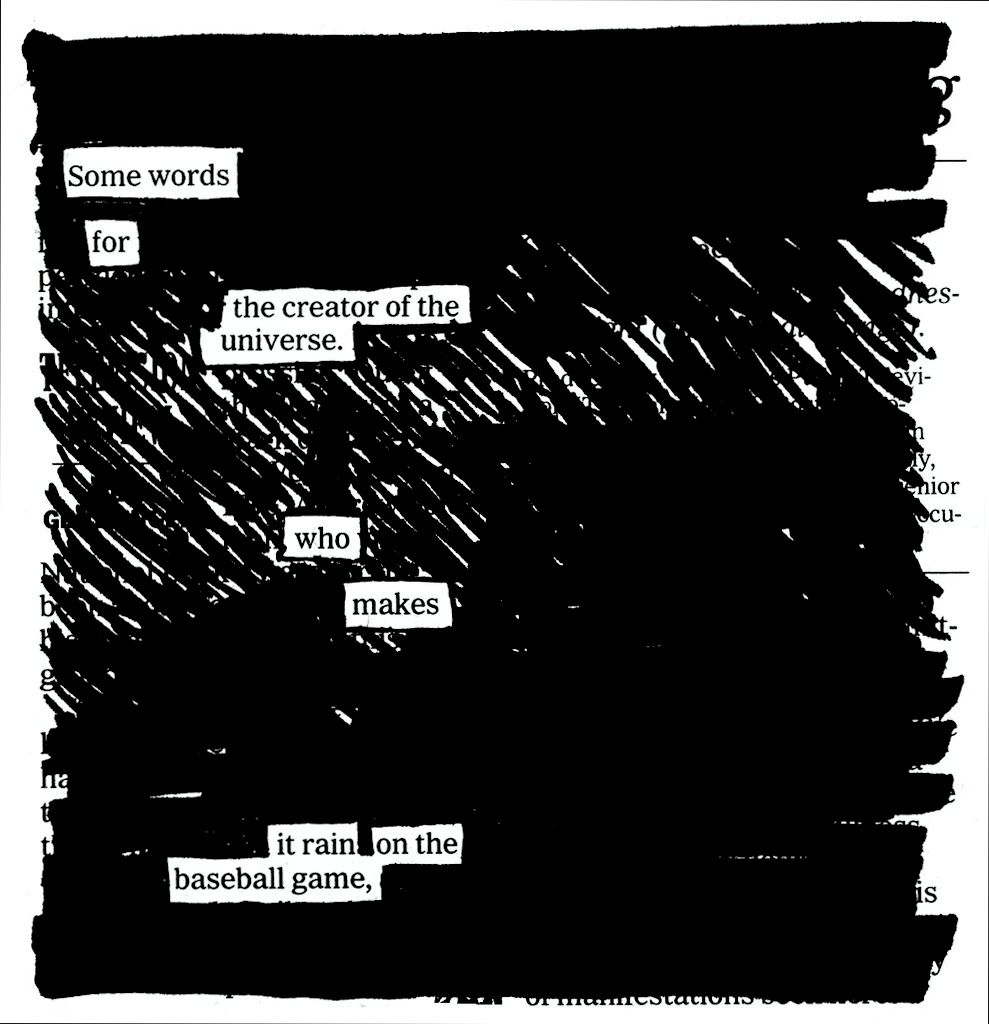
“Rainout,” newspaper + marker, 2008
“No time like October...” I love to (mostly) ignore baseball all year and then follow the playoffs religiously. I’m writing this week’s list of 10 while listening to a game, in fact…
“It breaks your heart. It is designed to break your heart. The game begins in the spring, when everything else begins again, and it blossoms in the summer, filling the afternoons and evenings, and then as soon as the chill rains come, it stops and leaves you to face the fall alone.” That’s the opening of “The Green Fields of the Mind,” collected in the slim, wonderful volume A Great and Glorious Game: Baseball Writings of A. Bartlett Giamatti. Highly recommended if you like thinking about America, baseball, and The Odyssey.
One of my favorite artists, Saul Steinberg, “believed that in order to understand America you had to study baseball.” In 1955, LIFE magazine ran a feature of his baseball drawings called “Steinberg at the Bat.” Steinberg, a Romanian immigrant, was initially bewildered by the game: “I couldn’t figure out how a big crowd of primitive, simple people would sit down on their seats and watch no action…” (He sounds like my kids!)
“They never kept score, they never chose sides, they never even really stopped playing the game. It just went on forever. Every day they picked up where they left off the day before. It was like an endless dream game…” The Sandlot was a big pizza night hit in our house, as was the original Bad News Bears.
Blackout poems from the sports section. (Related: Baseball Card Vandals.)
“I had a friend who was an old baseball player…” Every time the Brewers win, they play Bruce Springsteen’s “Glory Days” because manager Pat Murphy is big fan. I like that song a lot, but as our friend Steven Hyden explains, like other songs on Born in the U.S.A., there’s a lot more to it — it’s a sad song that sounds happy: “People hear that song at baseball games, and they think, ’Oh, what a nice song about nostalgia.’ And then you dig deeper, look at the lyric sheet and it’s like, he’s talking about how depressing it is to end up on a barstool and talking about how great your life used to be. It’s a song against nostalgia, not endorsing nostalgia.”
The word “nostalgia” combines the Greek words nostos (“homecoming”) and algos (“pain”). Here’s Giamatti again: “Baseball is about going home, and how hard it is to get there and how driven is our need. It tells us how good home is. Its wisdom says you can go home again but that you cannot stay. The journey must always start once more…”
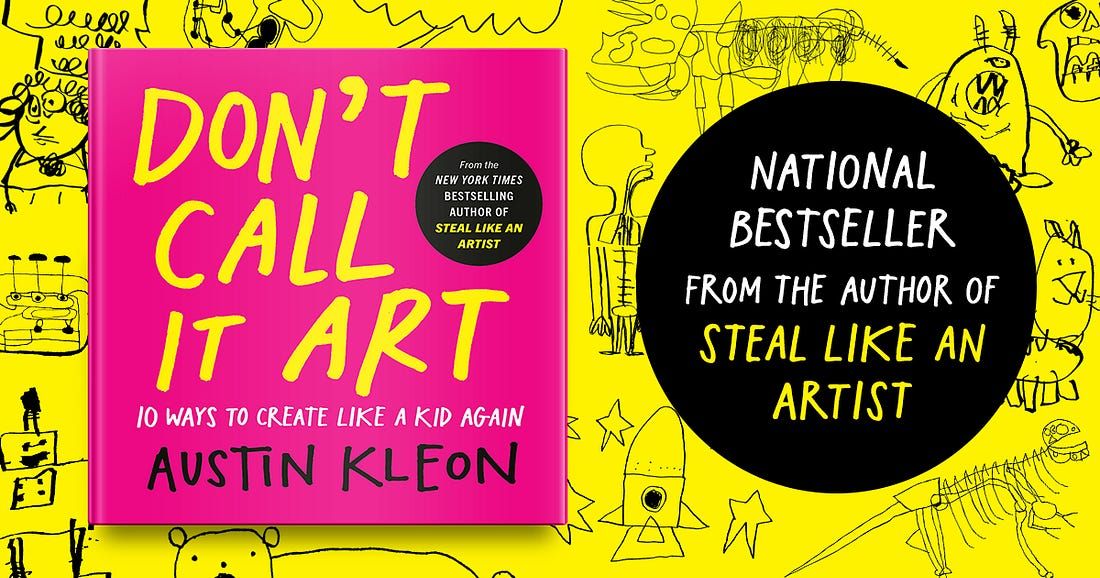
In Don’t Call It Art, I quote actor Bill Murray talking about baseball: “If you can stay light, and stay loose, and stay relaxed, you can play at the very highest level—as a baseball player or a human being.”
In Show Your Work! I wrote a whole section inspired by R.A. Dickey and how his fellow knuckleball pitchers relate to each other: “Knuckleballers don’t keep secrets. It’s as if we have a greater mission beyond our own fortunes. And that mission is to pass it on, to keep the pitch alive.”
I feel bad that I joked last week about our mixed feelings re: Pope Leo being a White Sox fan. Sending him my best wishes for a speedy recovery!
Rogel Angell on baseball and caring: “It is foolish and childish, on the face of it, to affiliate ourselves with anything so insignificant and patently contrived and commercially exploitative as a professional sports team, and the amused superiority and icy scorn that the non-fan directs at the sports nut (I know this look—I know it by heart) is understandable and almost unanswerable. Almost. What is left out of this calculation, it seems to me, is the business of caring—caring deeply and passionately, really caring—which is a capacity or an emotion that has almost gone out of our lives. And so it seems possible that we have come to a time when it no longer matters so much what the caring is about, how frail or foolish is the object of that concern, as long as the feeling itself can be saved. Naïveté—the infantile and ignoble joy that sends a grown man or woman to dancing and shouting with joy in the middle of the night over the haphazardous flight of a distant ball—seems a small price to pay for such a gift.”
Thanks for reading. If you love this human-made, hand-rolled newsletter and would like to support my work, you can:
Buy my books.
Hire me to speak.
Become a paid subscriber!
Austin
You're currently a free subscriber to Austin Kleon. For the full experience, upgrade your subscription.
© 2026 Austin Kleon
1101 West 34th Street, Box #102, Austin, TX 78705
Unsubscribe